
Why high oil prices are good for oil companies — until they aren't.
- Oil, Gas and Energy
- 23 hours ago
- 2 min read

Why high prices help
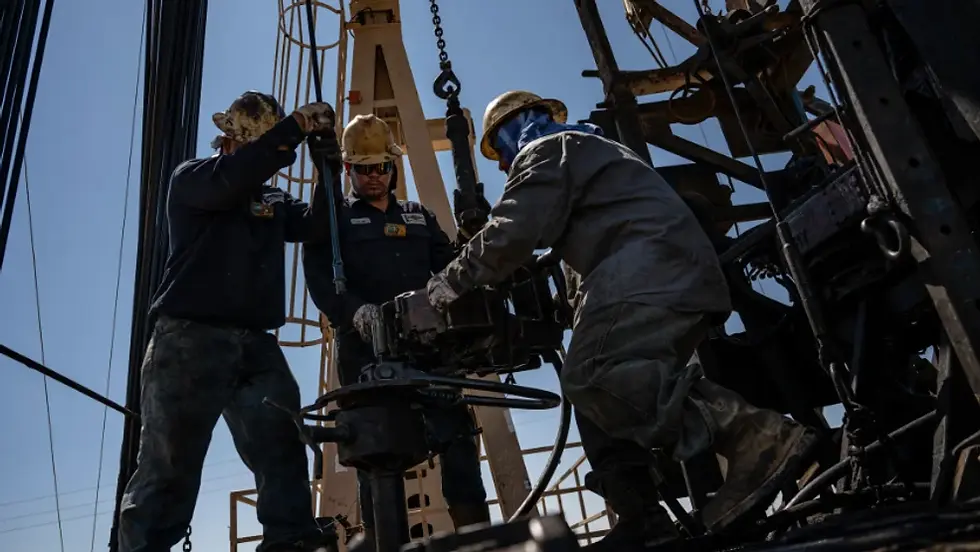
When crude rises, producers typically get more money for every barrel they sell. That can quickly boost profits, especially for companies with low production costs or large unhedged output.
Higher prices also tend to improve investor sentiment toward oil stocks. Companies can use that extra cash to reward shareholders or pay down debt, which is why the first phase of an oil spike often looks very positive for the sector.
Where it starts to break
The downside comes when prices stay elevated long enough to damage the wider economy. High fuel costs act like a tax on consumers, which can slow spending, raise inflation, and reduce overall growth.
That slowdown can then reduce oil demand itself. If a recession develops, or if consumers and businesses shift toward alternatives like electric vehicles or renewables, oil companies can eventually face weaker long-term demand.
The industry’s contradiction
This is why high prices are both a blessing and a risk for oil companies. In the short term, they can mean a windfall; in the long term, they can lead to demand destruction, political pressure, and investment uncertainty.
Some companies can also lose money from the same crisis that lifts oil prices, especially if they have operations or infrastructure in a conflict zone. So even a price surge does not guarantee that every producer wins equally.
The bigger takeaway
The oil business tends to prefer strong but not extreme prices. Too low, and profits collapse. Too high, and the broader economy can weaken enough to hurt future demand.
That is why oil companies often look best during the early stage of a price rally, but not necessarily when the rally becomes a long-lasting shock to the economy.


Comments