
Why Venezuela's Oil Comeback Won't Move Natural Gas Prices in 2026
- Oil, Gas and Energy
- 3 days ago
- 3 min read
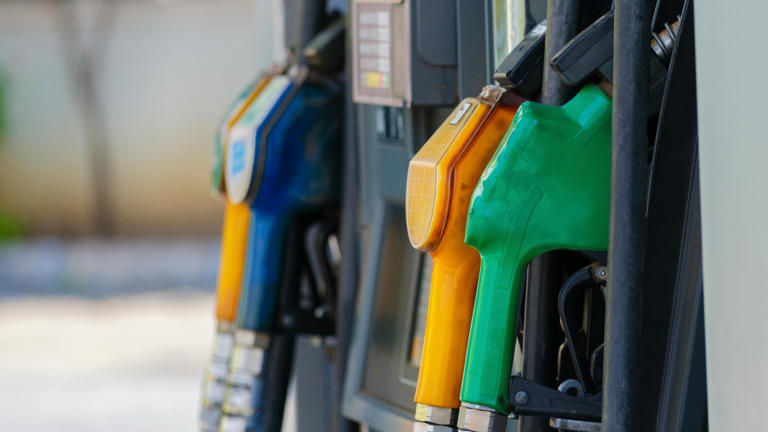
As we head into 2026, amid buzz about potential changes in Venezuelan oil flows following recent political shifts, many are wondering whether this could shake up natural gas prices here at home. The short answer? Probably not much, at least not directly. Sure, both oil and natural gas are key players in the energy world. Still, they dance to pretty different tunes—oil markets are tied more to global crude supply, refining, and gasoline demand. In contrast, natural gas prices hinge on factors such as weather-driven heating demand, LNG exports, pipeline flows, and domestic production from regions like the Marcellus and Permian basins. Any influx of Venezuelan heavy crude might tweak oil dynamics a bit down the line, but experts largely agree the impacts on natural gas will be minimal or indirect at best.
While the recent political upheaval in Venezuela has opened the door to potential increases in its heavy crude output—currently hovering around 1 million barrels per day, or less than 1% of global supply—experts remain skeptical about any meaningful ripple effects on natural gas markets in 2026. Even optimistic forecasts suggest production might climb gradually to 1.3-1.4 million bpd over the next couple of years, but that's still a drop in the ocean amid a projected global oil (and LNG) surplus driven by ramp-ups elsewhere. Below, we break down the key reasons the disconnect persists, from subtle regional shifts to longstanding infrastructure hurdles to the fundamentally different drivers shaping oil and gas prices.
1. Indirect Regional Substitution
Reduced LNG Demand: Increased oil and gas production in Venezuela could allow the country to resume natural gas exports to neighbors like Colombia via existing pipelines. This would reduce those countries' reliance on Liquified Natural Gas (LNG) imports, potentially easing some demand in the global LNG market.
Refining Competition: Venezuelan heavy crude is a direct competitor to similar grades from Mexico and Canada. If U.S. refineries shift back to processing cheaper Venezuelan crude, it could subtly alter the energy cost structures for large-scale industrial users, but this rarely trickles down to residential natural gas rates.
2. Disconnect Between Oil and Natural Gas Prices
Low Correlation: Financial analysts note there is very little direct correlation between price changes for crude oil and natural gas. Natural gas prices are more heavily influenced by domestic production (such as the U.S. Permian Basin), seasonal weather patterns, and local storage levels.
Surplus in 2026: Even without Venezuela, the 2026 global market is already facing a surplus of both oil and LNG due to expanding production elsewhere, which currently exerts more downward pressure on prices than the situation in Venezuela.
3. Barriers to Impact
Infrastructure Delays: Experts emphasize that Venezuela's energy infrastructure is so damaged that it will take years and billions of dollars in investment before production levels rise enough to move global market needles.
Limited Market Share: As of early 2026, Venezuela accounted for less than 1% of global oil production. Even if production doubled, it would still represent only a small fraction of global supply, limiting its ability to "shock" broader energy prices (including natural gas).
In a space where prices can spike or crater on a single cold snap, this relative stability means fewer wild swings, giving traders more predictable conditions to build positions, hedge risks, and avoid getting caught in additional unexpected volatility.


Comments